

Tarot cards certainly are a deck of cards used for divination, spiritual guidance, and self-reflection. They originated in the 15th century in Europe and have since become well known and useful for their mystical and symbolic meanings. A standard tarot deck typically consists of 78 cards, divided into two main categories: the Major Arcana and the Minor Arcana.
Major Arcana: The Major Arcana consists of 22 cards, each depicting a substantial archetype or symbolic figure. These cards represent profound life events, spiritual lessons, and transformative experiences. Types of Major Arcana cards include The Fool, The Magician, The Empress, The Tower, and The World.
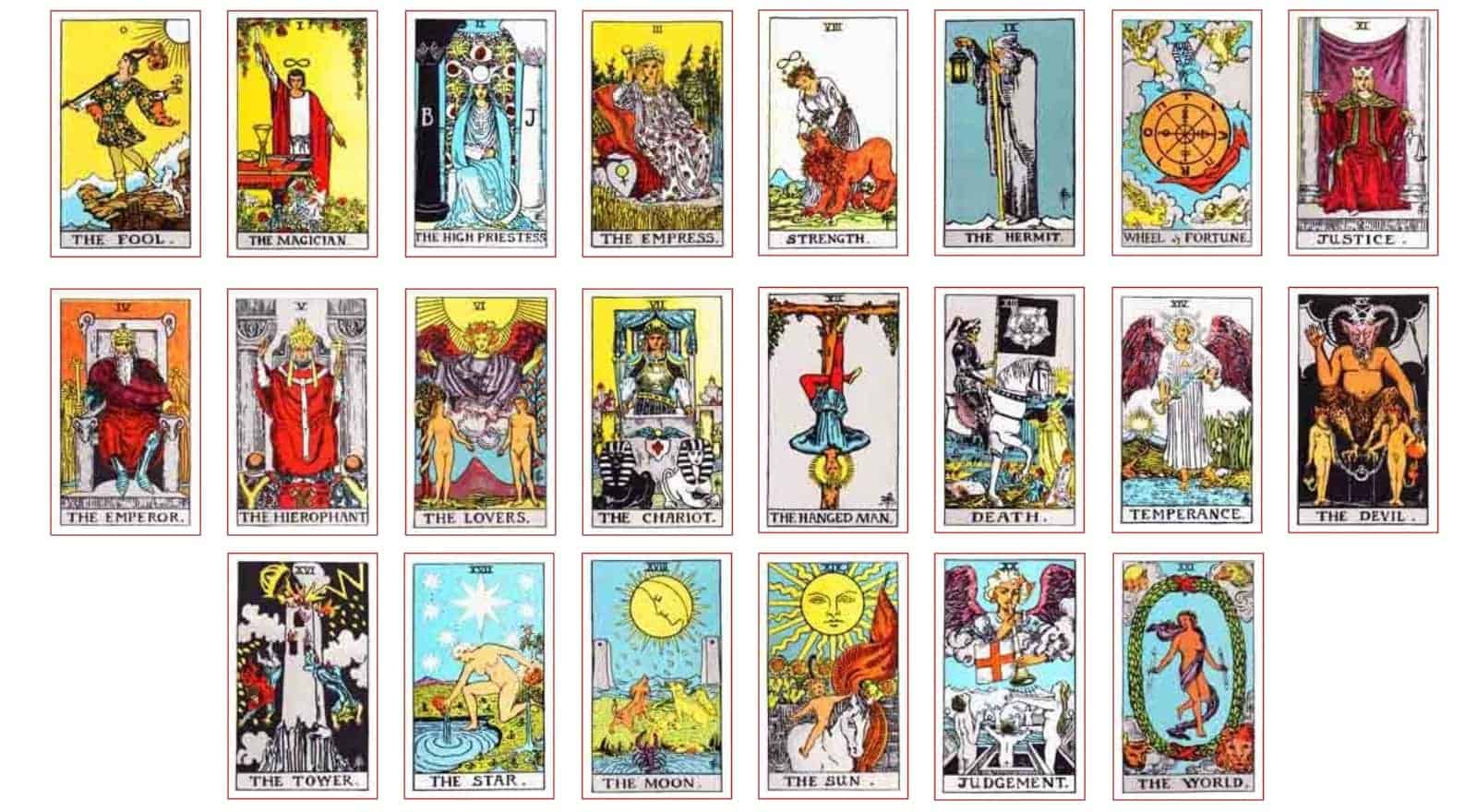
Minor Arcana: The Minor Arcana comprises the remaining 56 cards and is split into four suits: Wands, Cups, Swords, and Pentacles (also referred to as Coins or Disks). Each suit includes ten numbered cards (Ace to Ten) and four Court Cards (Page, Knight, Queen, and King). The Minor Arcana represents more day-to-day experiences, emotions, challenges, and aspects of life.
Tarot readings involve the interpretation of the cards to gain insight into various areas of a person's life, including relationships, career, personal growth, and spiritual matters. A reader typically shuffles the deck and lays out a spread of cards in a particular pattern. The cards are then interpreted based on their symbolism, positions in the spread, and their relationships to each other.
book of mystic should note that tarot readings are subjective and can be interpreted differently by different individuals. Tarot cards aren't thought to have magical powers but are used as tools for introspection, self-discovery, and guidance. Many people find value in tarot readings as a way of gaining perspective, seeking clarity, and exploring their very own intuition.