

The science behind Auto-Tune involves refined digital sign processing methods to investigate and manipulate the pitch of an audio sign. Here's a breakdown of the important thing scientific ideas behind Auto-Tune:
1. Pitch Detection:
Frequency Analysis: Auto-Tune begins by analyzing the incoming audio sign through a process called frequency evaluation. This entails breaking down the complicated waveform of the audio sign into its constituent frequencies.
Fundamental Frequency Detection: The fundamental frequency, which corresponds to the perceived pitch of the sound, is recognized. In the context of vocals, that is the pitch of the sung or spoken observe.
2. Reference Pitch Comparison:
User-Defined Settings: The detected pitch is then in comparison with a reference pitch or musical scale set by the person or the music producer. The reference pitch represents the intended or correct pitch for the performance.
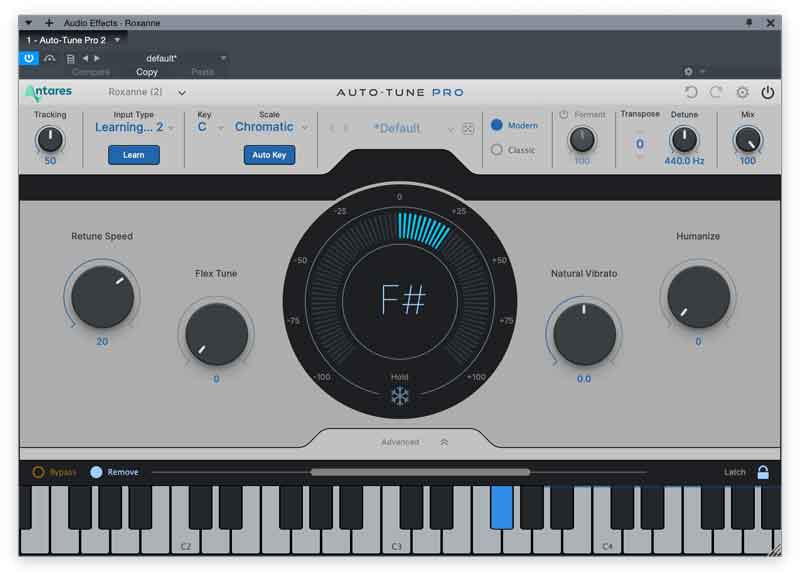
Scale and Key Settings: Auto-Tune allows users to specify the musical scale and key of the track. This information helps in making extra correct pitch corrections primarily based on the context of the music.
3. Pitch Correction:
Algorithmic Correction: If the detected pitch deviates from the reference pitch, Auto-Tune applies corrective processing. The algorithm calculates the mandatory pitch correction to deliver the detected pitch according to the reference pitch.
Correction Speed: Auto-Tune offers control over the pace at which pitch correction is utilized. Faster correction times result in more immediate corrections, whereas slower settings create a smoother, more natural-sounding impact.
4. Graphical Interface:
Visual Representation: Many variations of Auto-Tune characteristic a graphical interface that shows the pitch of the enter signal over time. This visible representation permits producers and engineers to see the pitch corrections and make guide adjustments if wanted.
Time Domain vs. Frequency Domain Processing: The graphical interface often represents the correction course of in each the time domain (waveform) and the frequency domain (pitch analysis), providing a complete view of the correction course of.
5. Creative Effects:
Intentional Pitch Manipulation: Beyond corrective functions, Auto-Tune can be used for intentional pitch manipulation to create distinctive vocal effects. This includes exaggerating pitch correction to realize the characteristic "auto-tuned" sound.
Stylistic Choices: Artists and producers use Auto-Tune creatively to make stylistic choices that contribute to the general sound and character of a music.
6. Real-Time and Post-Processing:
Real-Time Correction: Auto-Tune can operate in real-time during stay performances, offering instantaneous pitch correction. This requires low-latency processing to make sure minimal delay between the input sign and the corrected output.
Post-Processing: In the studio, Auto-Tune is usually utilized as a post-processing effect during recording or mixing. This allows for more exact adjustments and inventive experimentation.
7. Customization:
Adjustable Parameters: Auto-Tune provides varied adjustable parameters, including correction speed, scale settings, and key settings. This customization permits customers to tailor the pitch correction to the particular needs of a efficiency.
eight. Advanced Techniques:
Formant Shifting: Some versions of Auto-Tune include formant shifting capabilities, permitting for manipulation of the vocal timbre whereas preserving the pitch correction.
Note Transition Handling: Advanced algorithms handle transitions between totally different notes, ensuring smooth and natural-sounding pitch corrections.
In Check out the post right here , Auto-Tune operates at the intersection of digital signal processing and music theory. It leverages refined algorithms to analyze, compare, and manipulate the pitch of audio alerts, providing each corrective and creative potentialities in music manufacturing. The continuous evolution of Auto-Tune know-how reflects developments in signal processing and the ongoing quest for brand new and innovative soundscapes within the music trade..